The Sound Of Lost Efficiency:
The Hidden Waste Beneath A Costly Utility
If you’ve ever walked your plant during a shutdown and heard the hiss of escaping air, that wasn’t just noise—it was your budget bleeding out. Compressed air is notoriously inefficient, and leaks make it worse. That hiss? It’s the sound of opportunity slipping away. With only 10–15% of input energy reaching the tool, even small leaks can drag system efficiency into the single digits. Compressed-air systems are among the most expensive utilities in industrial operations—and among the most wasteful.
U.S. Department of Energy show that 20–30% of compressed air is lost to leaks
Studies from the U.S. Department of Energy show that 20–30% of compressed air is lost to leaks in typical facilities. In poorly maintained systems, that number can climb to 80%.
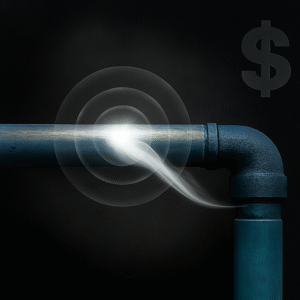 Leaks aren’t always easy to spot. They lurk in threaded joints, aging valves, brittle pipe segments, and misaligned connections—quietly compromising performance. During production, ambient noise drowns out the warning signs. But in the stillness of a shutdown, the system speaks. Hissing, whistling, or subtle airflow sounds become audible cues. If you can hear it, it’s leaking—and it’s time to act.
Operators often misattribute pressure drops or compressor overwork to equipment failure, when the real issue is air escaping before it ever reaches the tool. And with compressed air delivering only a fraction of its input energy, every leak compounds inefficiency.
Global manufacturers are formalizing this challenge with structured energy programs. Nissan North America’s Nissan Green Program, recognized as an ENERGY STAR® Partner of the Year by the U.S. EPA every year since 2010, puts compressed-air optimization at its core. At their Tennessee powertrain plant, leaks and inefficient piping once accounted for more than one-fifth of the facility’s energy spend. Under Mike Clemmer, Director/Plant Manager – Paint & Plastics, targeted audits, piping redesigns, and proactive leak management delivered substantial, measurable energy savings.
Why Traditional Systems Leak
Traditional piping systems—steel, copper, plastic—are riddled with leak risks:
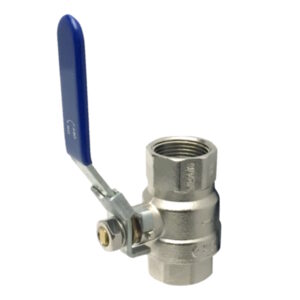
- Threaded steel joints loosen over time due to vibration and thermal cycling
- Copper resists corrosion but suffers microfractures from expansion and contraction
- Plastic tubing warps under heat and degrades with UV exposure, introducing unpredictable leak paths
Even well-installed systems degrade. After five years, leak rates can climb to 25% or more. And because most leaks are too small to hear, they often go unnoticed until pressure drops or compressor strain becomes visible. Facilities may respond by increasing compressor output, inadvertently feeding the leaks instead of fixing them.
It takes roughly eight horsepower of energy input to produce one horsepower of work at the tool. That’s a baseline efficiency of just 10–15%. Add leaks, and the system’s performance plummets.
Leak Detection:
From Guesswork To Precision
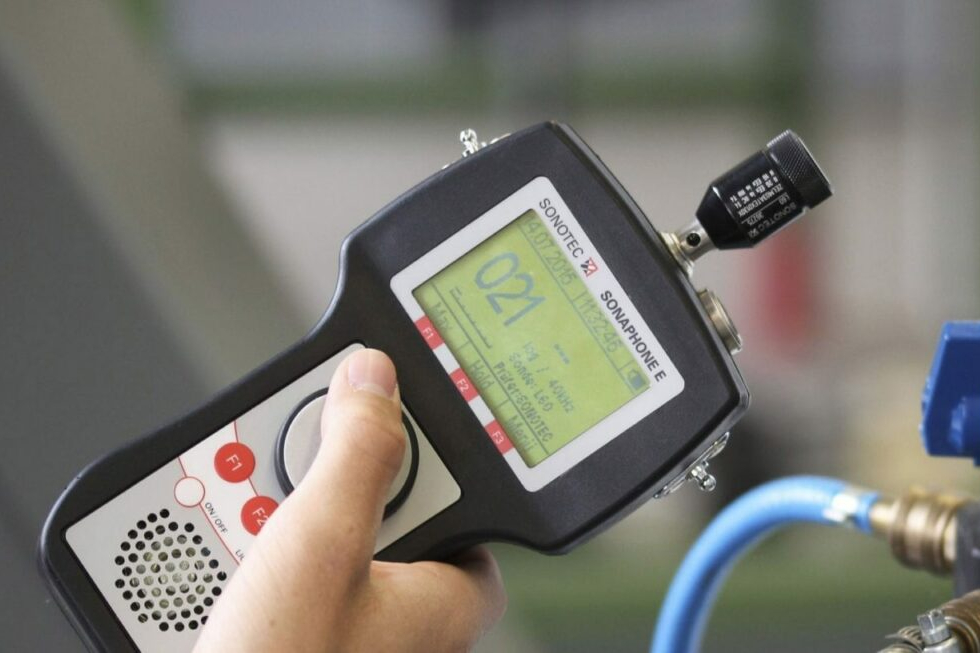
Fortunately, leak detection doesn’t require guesswork. Facilities can use ultrasonic leak detectors to pinpoint high-frequency hissing sounds and map leak locations with precision. For smaller operations or quick checks, a simple paintbrush dipped in soapy water can reveal leaks through bubbling—less accurate, but still effective. Once leaks are found, many can be fixed by tightening connectors or replacing damaged components. Lowering system pressure can also reduce leak rates. But for lasting results, the system itself must be designed to resist leaks from the start.
AIRpipe’s Solution:
Designing Leaks Out From Day 1
AIRpipe’s aluminum piping system is built to eliminate leak-prone features from the start:
- Push-to-connect fittings create secure metal-to-metal seals without threading, welding, or ferrules
- Flared design seats directly against the tapered male end, forming a single, reliable seal
- Corrosion-resistant aluminum ensures long-term integrity, even in harsh environments
- Modular, color-coded layout simplifies visual inspection and future reconfiguration
- Optional leak-detection sensors provide real-time alerts, shifting maintenance from reactive to proactive.
The result is a system that installs faster, lasts longer, and leaks less. It’s not just a piping upgrade—it’s a strategic shift toward reliability and efficiency
ROI and Industry Leadership
Compressed-air leaks don’t just waste air—they waste time, energy, and money. With AIRpipe, you can design leaks out of your system from day one. That means fewer repairs, lower bills, and a more reliable compressed-air network.
Join industry leaders like Nissan by implementing a piping system engineered for visibility and resilience. Ready to stop chasing leaks? Request a spec sheet or quote today.
The AIRpipe Advantage
Ready to stop chasing leaks and start capturing results? Discover how AIRpipe’s engineered system delivers proven compressed air efficiency—and measurable benefits.
- Push-to-connect fittings eliminate threading, welding, and ferrules—removing common leak sources from the start
- Corrosion-resistant aluminum maintains seal integrity over time, even in harsh industrial environments
- Modular, color-coded layout simplifies installation, inspection, and future expansion
- Real-time leak detection shifts maintenance from reactive firefighting to proactive system management
- Documented ROI includes energy savings, reduced labor hours, and improved uptime across facilities
- Proven results from industry leaders like Nissan, where compressed-air projects cut over 20% of plant energy spend
External Resources
U.S. Department of Energy guide on compressed-air leak management
Compressed Air Challenge: Leakage Testing Methods