Why AIRpipe Aluminum Stands Out
When designing compressed air systems, engineers often focus on material cost, efficiency, and cleanliness but may overlook critical factors like installation complexity and long-term maintenance. Traditional piping materials such as galvanized steel, stainless steel, and copper have served industries well for decades, but advances in technology now offer solutions that outperform these options in cost-effectiveness and system longevity.
Traditional Piping Costs:
Galvanized and Steel: Familiar but Flawed
Historically, galvanized pipe and steel pipes have been popular for compressed air systems due to their availability and familiarity among contractors. While these materials may appear cost-effective upfront, they introduce significant challenges. Corrosion in steel and galvanized pipes leads to impurities in the air system and pressure drops, reducing efficiency. Threaded connections often result in leaks, increasing utility costs and maintenance requirements. The weight of the pipes and the skilled labor needed for installation make these systems costly, with installation expenses up to 50% higher than AIRpipe aluminum systems.
Copper: Clean but Costly
Copper has also been widely adopted thanks to its corrosion resistance and cleanliness, outperforming steel and galvanized pipes in purity. However, its high cost—particularly for larger systems—and the labor-intensive soldering process limit its practicality. While press fittings have reduced installation time, they significantly raise material costs and are restricted to pipes with a diameter of 4 inches. Skilled labor remains essential, further elevating installation costs to nearly 50% more than aluminum solutions.
Stainless Steel: Durable but Demanding
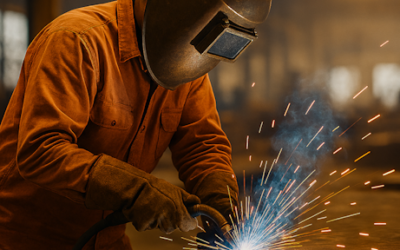
Stainless steel, known for its reliability in high-purity applications and corrosive environments, requires welded joints, making installation expensive and labor-intensive. In many cases, aluminum systems have now replaced stainless steel as the preferred choice for high-standard applications.
Aluminum Is Revolutionizing Compressed Air Systems:
AIRpipe Installation Benefits
Engineers designing compressed air systems are increasingly turning to aluminum for its performance, modularity, and cost efficiency. AIRpipe aluminum stands out for its installation advantages, offering a purpose-built solution that simplifies system builds and reduces labor. Below are the key benefits that make AIRpipe aluminum a smart choice for compressed air infrastructure:
- Lower installed cost
- Lightweight, modular design
- No specialized labor required
- Fast system reconfiguration
- Up to 50% savings over traditional systems
Lightweight Modular Design Reduces Labor
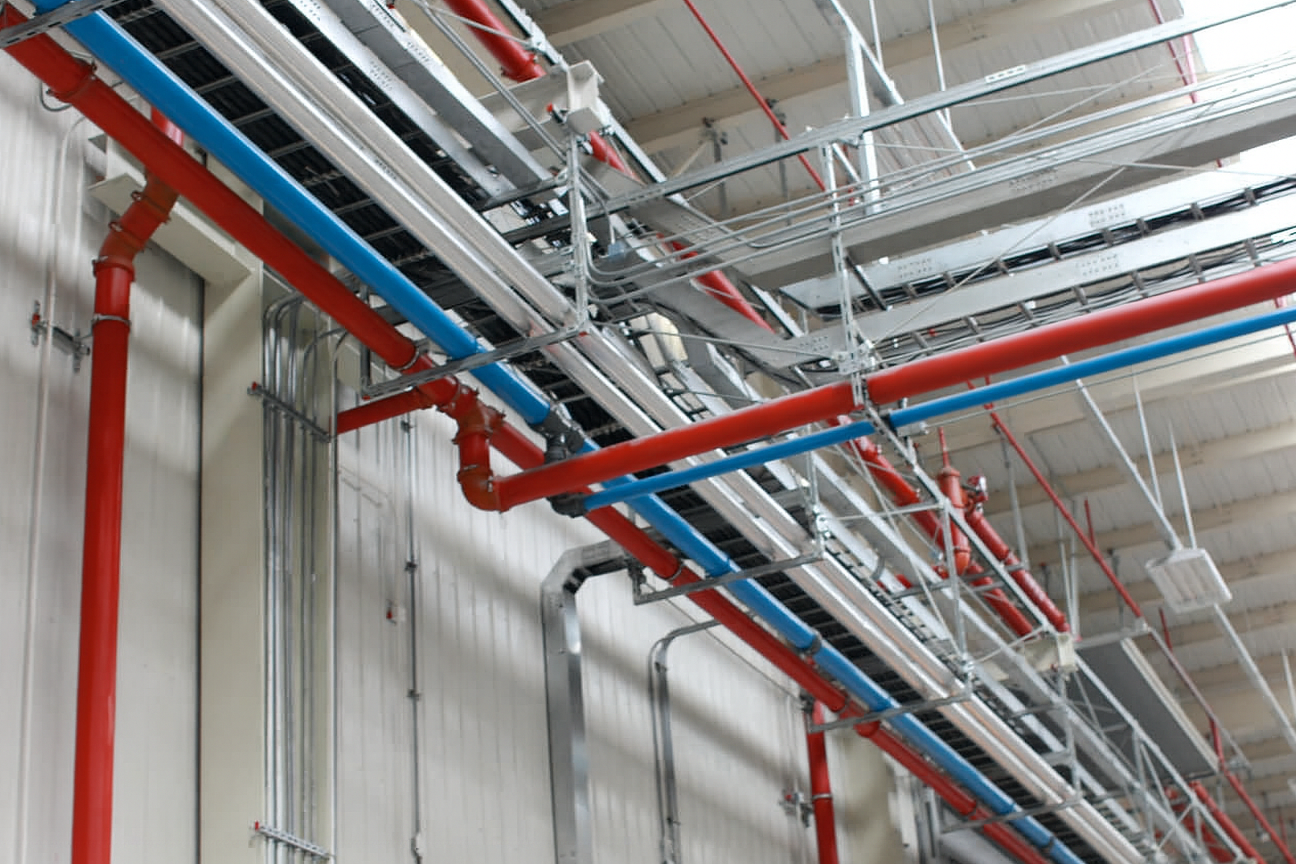
 Aluminum’s lightweight nature and AIRpipe’s innovative connection system drastically simplify installation. Unlike traditional materials requiring skilled welders or pipe fitters, AIRpipe’s fittings are specifically designed for the pipe, offering leak-free connections without specialized labor. The modular design allows quick modifications to adapt to changing needs, further reducing labor and material costs.
AIRpipe’s modular architecture supports rapid reconfiguration, making it ideal for facilities that evolve over time. Whether expanding production lines or upgrading equipment, AIRpipe aluminum adapts without costly overhauls.
AIRpipe Performance Advantages
These performance highlights show why AIRpipe aluminum excels in both everyday and high-purity environments:
- ISO 8573-1 clean air certified
- Corrosion-resistant material
- Leak-free metal fittings with nitrile gaskets
- Ideal for high-purity applications
ISO-Certified Clean Air Performance
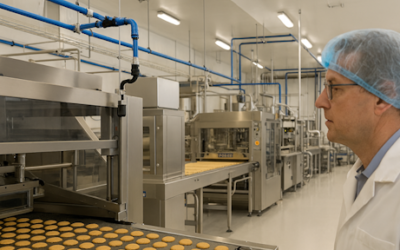
AIRpipe aluminum is heat-treated and meets ISO 8573-1 clean air standards, making it suitable for a wide range of applications, from manufacturing facilities to clean rooms. Its corrosion-resistant properties minimize impurities and pressure drops, enhancing system efficiency and extending the life of compressors and machinery. Unlike other systems, AIRpipe aluminum requires no additional cleaning for oxygen service, even in FDA or semiconductor applications.
Corrosion Resistance for System Longevity
By resisting internal corrosion, AIRpipe aluminum preserves air quality and reduces wear on downstream equipment. This translates to fewer maintenance cycles and longer system life.
Leak-Free Fittings with Metal and Nitrile Seals
AIRpipe fittings, crafted entirely from metal with nitrile gaskets, ensure robust seals that prevent leaks over time. In contrast, systems relying on plastic fittings or small O-ring designs often face issues with brittleness and reduced sealing areas. AIRpipe’s superior gasket technology guarantees a leak-free, efficient system that protects both equipment and personnel.
AIRpipe aluminum systems can cut installation costs by up to 50%.
AIRpipe’s Long-Term Value:
Up to 50% Cost Savings Over Traditional Systems
With benefits like reduced installation costs, corrosion resistance, and clean air capabilities, AIRpipe aluminum offers unparalleled advantages over traditional systems. Facilities can save up to 50% on overall compressed air system costs while enjoying greater efficiency and durability.
Ideal for Both General and High-Purity Applications
From general manufacturing to high-purity environments, AIRpipe aluminum has become the obvious choice for modern engineers.
To optimize your compressed air system, contact us today and discover the AIRpipe difference!